

Resources
The latest in the world of road
maintenance and pothole repair.
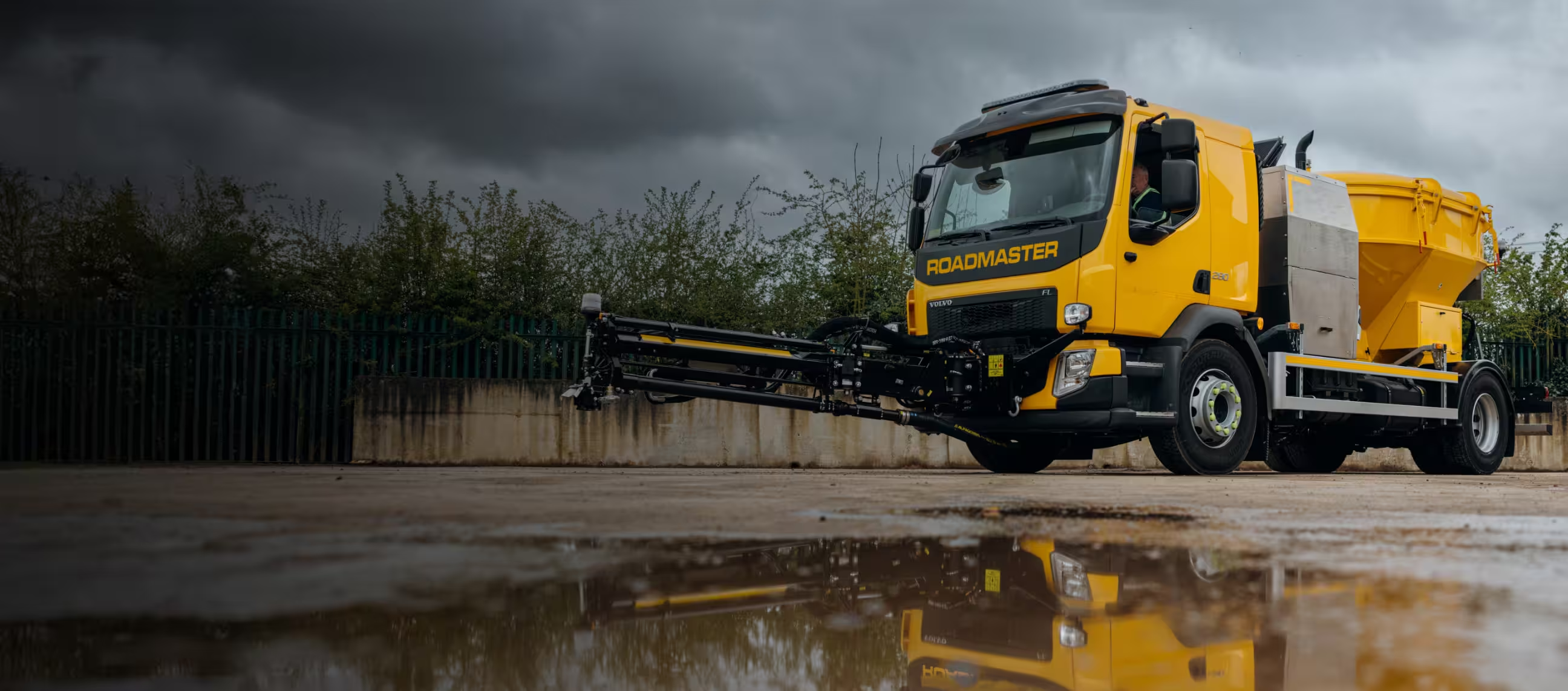
GUIDE
ROAD MAINTENANCE
REVOLUTION
A 37-page comprehensive guide on why and how to make the transition to preventive road maintenance.

Try the Roadmaster Cost & Carbon Calculator
Compare your current repair method against Roadmaster spray injection patching — instant cost-per-tonne and carbon-per-m² results, side by side.

Try the Roadmaster Whole Life Calculator
Compare your current repair method against Roadmaster spray injection patching — instant cost-per-tonne and carbon-per-m² results, side by side.

Milestone Infrastructure: 10× More Efficient on Term Maintenance Work
Milestone Infrastructure operates ten Roadmasters and hires a further five, reporting significantly higher efficiency and productivity on road-maintenance work.
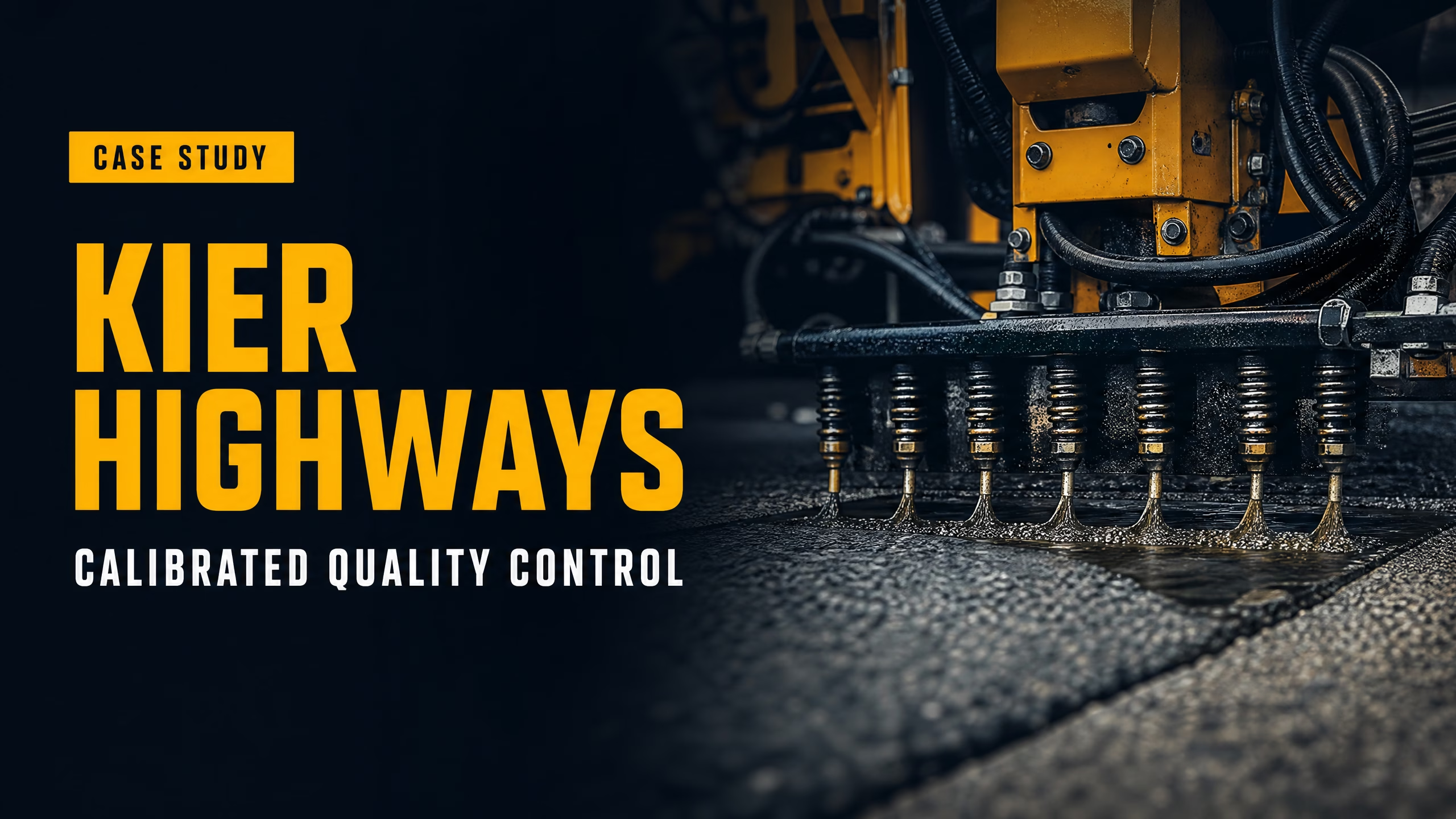
Kier Highways: Calibrated Quality Control for Road Repairs
Kier Highways moved to Roadmaster for a computerised, calibrated patching process that supports dependable repair quality and reduces overspray concerns.

Argyll & Bute Council: More Roadwork with Fewer People
Argyll & Bute Council uses four Roadmasters to complete critical road maintenance with fewer people on each job and release capacity for larger work.
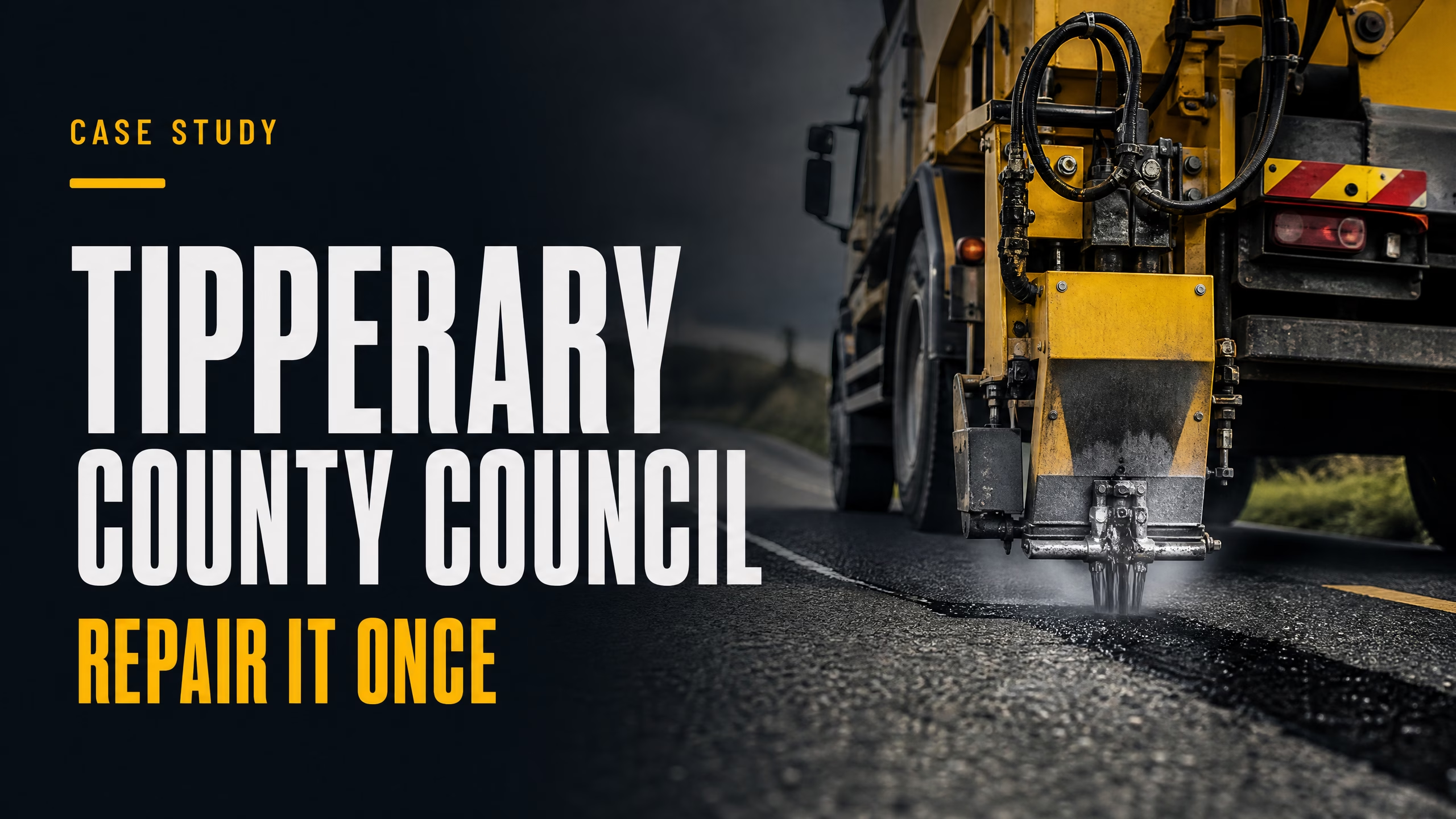
Tipperary County Council: Repair It Once, Not Three or Four Times
Tipperary County Council operates nine Roadmasters and uses spray injection patching to reduce repeat visits, improve repair consistency and prepare roads ahead of surface dressing.
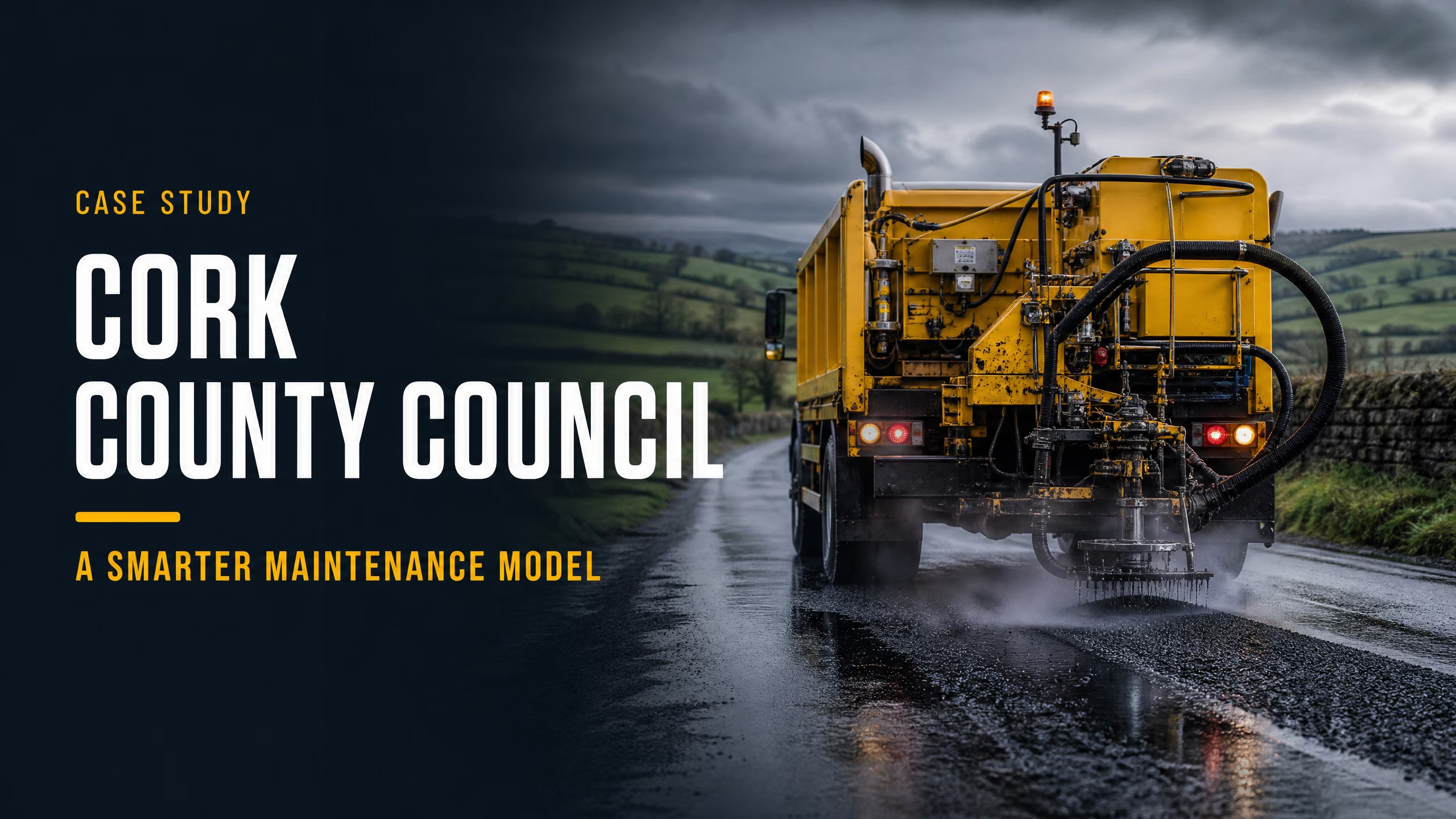
Cork County Council: A Smarter Way to Maintain 12,000 km of Roads
With 22 Roadmaster machines across a 12,000 km network, Cork County Council has made preventative maintenance a more productive, durable part of its road-maintenance strategy.

What Term Maintenance Contractors Need to Know About Spray Injection Patching
For contractors, spray injection patching changes the margin equation on term maintenance contracts.

UK Road Crisis by the Numbers: 2025
£16.81 billion backlog. £34.3 million in pothole compensation claims. Roads resurfaced every 93 years on average.
The Training Investment That Pays for Itself in Year One
Properly trained operators produce repairs that last. The data shows training reduces failure rates and daily output increases within weeks.